
Goregaon is undergoing a significant transformation, driven by some of Mumbai’s most important infrastructure projects. Improved metro connectivity, faster east-west access, and ongoing urban development are reshaping how people live, work, and travel in the area. As commute times reduce and accessibility improves, buyer and investor interest in the locality continues to grow.
Goregaon real estate has gained considerable momentum in recent years, supported by projects such as Mumbai Metro Line 2A, Metro Line 7 and the Goregaon Mulund Link Road (GMLR). These developments are not only enhancing connectivity across Mumbai but also strengthening Goregaon’s position as a preferred residential and investment destination.
Beyond transportation improvements, Goregaon is also benefiting from the expansion of commercial hubs, retail destinations, and residential communities. This combination of infrastructure and urban development is creating a self-sustaining ecosystem that appeals to end-users seeking convenience as well as investors looking for long-term appreciation opportunities.
As infrastructure continues to reshape commuting patterns and urban development, property demand in Goregaon is gaining momentum. Improved connectivity, expanding business districts, and well-established social infrastructure are encouraging the development of premium residential developments designed for evolving lifestyle needs. This combination of accessibility, convenience, and urban growth is strengthening Goregaon’s position as a preferred destination for both homebuyers and long-term investors.
In this article, you’ll learn how Goregaon’s evolving infrastructure landscape is enhancing connectivity, influencing property values, and strengthening the area’s appeal as a destination for both comfortable living and long-term real estate investment.
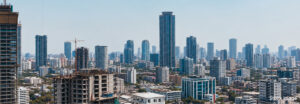
Goregaon real estate growth is being driven by a combination of five key factors: expanding infrastructure, improved connectivity, proximity to major employment hubs, growing social infrastructure, and the development of premium residential communities. Together, these elements are increasing the area’s attractiveness for both homebuyers and investors while supporting long-term demand.
Over the past decade, Goregaon has evolved from a predominantly residential suburb into a well-connected urban destination. Major infrastructure projects, including metro expansion and improved road networks, have enhanced accessibility across Mumbai, making daily commuting more convenient for residents.
Another important growth driver is Goregaon’s strategic location between established business districts and emerging residential corridors. Professionals working in Andheri, Malad, Powai, BKC, and Lower Parel can access these employment centres relatively easily, making the locality a practical choice for working professionals and families.
The area has also benefited from the expansion of educational institutions, healthcare facilities, shopping destinations, and entertainment hubs, contributing to a higher quality of life. At the same time, the rise of premium residential communities and mixed-use developments is meeting the growing demand for modern urban living. Together, these factors are strengthening Goregaon’s position as one of Mumbai’s most promising real estate markets.
| Growth Factor | Impact on Real Estate |
|---|---|
| Metro Expansion | Can reduce travel times across key western suburbs by 20–40 minutes, depending on the route and traffic conditions (Source: MMRDA project updates). |
| GMLR Project | Expected to reduce travel time between Goregaon and Mulund from nearly 75 minutes to around 25 minutes. |
| Commercial Development | Supports rental demand by bringing workplaces closer to residential areas. |
| Social Infrastructure | Provides easier access to schools, hospitals, malls, and entertainment destinations, enhancing daily convenience. |
| Connectivity Improvements | Improves accessibility to major roads, metro corridors, and employment centres, increasing buyer interest. |
| Employment Hubs | Enables professionals working in Andheri, Malad, Powai, BKC, and Lower Parel to access workplaces more efficiently. |
Important note: Time benefits are indicative estimates based on improved connectivity, planned infrastructure upgrades, and typical travel conditions. Actual travel times may vary depending on route, traffic and mode of transportation.

Metro connectivity in Goregaon is significantly improving accessibility, reducing dependence on road transportation, and expanding the area’s residential catchment. Better connectivity often translates into increased buyer demand and stronger property valuations.
Across major cities, metro corridors have consistently influenced residential preferences by making daily travel more predictable and efficient. Properties located near operational metro stations often attract greater interest because residents can reduce dependence on private vehicles and avoid traffic congestion.
In Goregaon, metro accessibility is strengthening connectivity to commercial destinations, educational institutions, healthcare facilities, and entertainment zones. This convenience factor is becoming increasingly important for modern homebuyers who prioritise shorter commutes and improved work-life balance.
The Mumbai Metro Line 2A connects Dahisar to DN Nagar, creating a major transit corridor through the western suburbs.
According to the Mumbai Metropolitan Region Development Authority (MMRDA), Line 2A has improved connectivity across western Mumbai while helping ease congestion on key arterial roads.
Source:
https://mmrda.maharashtra.gov.in
Benefits for residents include:
A) Faster access to employment hubs
B) Reduced travel uncertainty
C) Better public transport integration
D) Improved residential attractiveness
Mumbai Metro Line 7 connects Dahisar East to Andheri East, creating a critical north-south transit route.
According to MMRDA, Metro Line 7 serves several important residential and commercial districts along the Western Express Highway corridor.
Source:
https://mmrda.maharashtra.gov.in
The combined presence of Metro Line 2A and Metro Line 7 has significantly enhanced Goregaon’s connectivity to key destinations across Mumbai. Residents now benefit from easier access to the Western Express Highway, Chhatrapati Shivaji Maharaj International Airport, Andheri East, DN Nagar, JVLR, Powai, Bandra-Kurla Complex (BKC), and major commercial corridors along the western suburbs.
Improved metro connectivity also supports smoother travel to business districts, educational institutions, healthcare facilities, and entertainment destinations across the city. As Mumbai’s metro network continues to expand, Goregaon is expected to become even more seamlessly connected, further strengthening its appeal among homebuyers, working professionals, and long-term investors.

The Goregaon Mulund Link Road (GMLR) is a major infrastructure project designed to connect Goregaon in western Mumbai with Mulund in the eastern suburbs. The project is expected to significantly reduce travel time between the two regions while improving east-west mobility.
East-west connectivity has historically been one of Mumbai’s biggest transportation challenges. While north-south travel has improved through highways and metro systems, travelling between western and eastern suburbs often involves longer routes and congestion-prone corridors. The GMLR aims to address this challenge through a direct connection.
The project includes:
A) Twin tunnels beneath Sanjay Gandhi National Park
B) Multiple flyovers
C) Road widening initiatives
D) Modern traffic management systems
According to the Brihanmumbai Municipal Corporation (BMC), the GMLR is expected to reduce travel time between Goregaon and Mulund from nearly 75 minutes to approximately 25 minutes once operational.
The GMLR impact on real estate in Goregaon is expected to be significant because accessibility remains one of the most important drivers of housing demand. One of Mumbai’s long-standing mobility challenges has been the lack of efficient east-west connectivity. While residents can travel relatively easily along north-south corridors through highways and metro networks, commuting between western suburbs such as Goregaon and eastern locations like Mulund often involves lengthy routes and heavy traffic congestion.
The Goregaon Mulund Link Road aims to bridge this gap by creating a faster and more direct connection between the two regions. By significantly reducing travel time, the project is expected to improve access to employment hubs, residential neighbourhoods, and commercial districts on both sides of the city. This matters because better connectivity not only enhances everyday convenience for residents but also expands the catchment of potential homebuyers, tenants, and businesses.
For Goregaon, this could mean stronger integration with eastern Mumbai’s residential and commercial markets. Infrastructure projects of this scale often influence future development patterns, commercial activity, and housing demand, making them closely watched by both developers and investors.
The GMLR project is being developed in phases, with different components currently at different stages of execution.
| Project Component | Current Status |
| Dindoshi–SGNP Flyover Section | Advanced stage of construction; major structural work completed and targeted for phased opening |
| Twin Tunnels beneath Sanjay Gandhi National Park | Under construction; tunnel boring works are being executed in phases |
| Traffic Interchanges and Connecting Roads | Under construction across multiple sections |
| Road Widening and Supporting Infrastructure | Ongoing at various project locations |
| Complete Goregaon–Mulund Corridor | Under phased development and expected to be operational after completion of all major components |
According to recent project updates from the Brihanmumbai Municipal Corporation (BMC), the flyover and tunnel packages are among the most significant components currently under execution and are expected to play a key role in improving east-west connectivity across Mumbai.
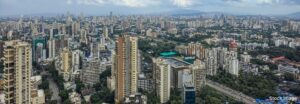
Upcoming infrastructure projects in Goregaon are important for investors because they can influence rental demand, resale liquidity, and long-term property value appreciation. Improved connectivity and accessibility often make a location more attractive to both homebuyers and tenants, which can strengthen demand over time.
Infrastructure investments generally have a cumulative effect on real estate markets. While a single project can improve accessibility, multiple developments operating together often create a stronger growth cycle. In Goregaon’s case, metro connectivity, the Goregaon Mulund Link Road (GMLR), road upgrades, and commercial expansion are collectively enhancing the area’s attractiveness as a residential and investment destination.
From an investment perspective, better connectivity can expand the tenant pool by making daily commuting easier for working professionals. This can support rental demand and occupancy levels, particularly in locations that offer convenient access to major employment centres. Improved infrastructure can also increase a property’s resale appeal, as buyers often prioritise locations with strong connectivity and future growth potential.
Investors evaluating long-term opportunities typically look for markets with infrastructure readiness, employment generation, quality social amenities, and sustained housing demand. Goregaon benefits from all these factors, making it well-positioned for long-term value creation. As major infrastructure projects continue to progress, the locality is expected to strengthen its appeal among both end-users and investors seeking a balance of rental income potential and capital appreciation.
Ongoing expansion of Mumbai’s metro network continues to strengthen regional connectivity.
Several road-widening and decongestion projects are helping improve mobility throughout western Mumbai. One of the most significant upcoming projects is the Borivali Twin Tunnel, which will connect Borivali with Thane through twin underground tunnels beneath Sanjay Gandhi National Park. Once operational, the project is expected to reduce travel time between Borivali and Thane from around 60–90 minutes to nearly 15–20 minutes, improving east-west connectivity across the northern suburbs. Together with the Goregaon Mulund Link Road (GMLR), these infrastructure upgrades are expected to create a more integrated road network, benefiting Goregaon residents through improved regional accessibility and supporting long-term real estate demand.
Business districts around Goregaon continue attracting corporate occupiers, creating sustained housing demand.
Properties near metro stations often experience stronger demand due to convenience and accessibility benefits.

Yes, Goregaon is considered one of Mumbai’s most balanced residential destinations due to its combination of connectivity, employment opportunities, lifestyle infrastructure, and recreational amenities.
The locality also offers a balance between urban convenience and everyday comfort. Residents have access to green spaces, recreational facilities, established neighbourhoods, and a variety of housing options ranging from mid-segment apartments to premium residences.
For families, the availability of schools, healthcare facilities, shopping centres, and public transportation within a relatively short distance contributes to a more convenient daily experience.
Residents benefit from proximity to:
A) Film City
B) Aarey Forest
C) NESCO Exhibition Centre
D) Western Express Highway
This combination of connectivity, employment access, and lifestyle amenities makes Goregaon attractive to both homebuyers and long-term investors.

Goregaon property investment continues attracting attention because the locality combines infrastructure-led growth with strong end-user demand, commercial activity, and future development potential.
Long-term real estate performance is often linked to a location’s ability to attract residents, businesses, and infrastructure investment simultaneously. Goregaon benefits from all three factors. Continued infrastructure upgrades are improving accessibility, while commercial growth supports employment generation and housing demand.
Additionally, Mumbai’s limited land availability means well-connected locations with established infrastructure often remain in demand even during changing market cycles.
Metro connectivity and GMLR are creating long-term accessibility benefits.
Nearby commercial districts generate consistent housing demand.
The presence of corporate offices, IT parks, and business districts nearby contributes to a consistent tenant base. This can support occupancy levels and create opportunities for rental income generation.
Property values in Goregaon have shown steady long-term growth. Recent locality-level market data indicates that Goregaon East recorded approximately 31% price appreciation over the last five years, reflecting sustained demand supported by improving connectivity, commercial growth, and infrastructure development. As projects like the GMLR progress, these factors are expected to continue supporting long-term value creation.
Schools, hospitals, retail centres, and entertainment destinations support long-term livability.
According to JLL India’s Residential Market Outlook 2024, infrastructure investments continue to play a crucial role in shaping residential market performance across major Indian cities.
Source:
https://www.jll.co.in/en/trends-and-insights/research
A) Metro Line 2A and Metro Line 7 have significantly improved connectivity in Goregaon.
B) The Goregaon Mulund Link Road is expected to reduce east-west travel time considerably.
C) Infrastructure development in Goregaon is supporting both residential demand and investment activity.
D) Commercial expansion and social infrastructure continue strengthening the area’s appeal.
E) Goregaon remains one of Mumbai’s most infrastructure-driven real estate destinations.
Infrastructure has always played a defining role in shaping successful real estate markets, and Goregaon is a strong example of this trend. With Metro Line 2A, Metro Line 7, the Goregaon Mulund Link Road, and several upcoming infrastructure projects improving accessibility across Mumbai, the locality is positioned for sustained growth.
While infrastructure projects alone do not determine property performance, they often act as catalysts for broader urban development. Goregaon’s ongoing evolution demonstrates how improved mobility, stronger commercial activity, and enhanced livability can work together to support real estate demand.
For homebuyers, enhanced connectivity means greater convenience and quality of life. For investors, these developments create opportunities for long-term appreciation and rental demand. As major projects continue progressing, Goregaon real estate is expected to remain one of Mumbai’s most attractive residential and investment destinations.
Goregaon real estate growth is being driven by metro expansion, the Goregaon Mulund Link Road, commercial development, improved road networks, and strong social infrastructure. Together, these factors are increasing accessibility, boosting demand, and strengthening long-term investment potential.
The GMLR is expected to improve east-west connectivity and significantly reduce travel times. Better accessibility typically increases buyer interest, which can positively influence residential demand and long-term property value growth.
Goregaon offers strong infrastructure, metro connectivity, commercial activity, and lifestyle amenities. These factors make it a compelling destination for both end-users and investors seeking long-term capital appreciation and rental opportunities.
Metro connectivity reduces commute times, improves accessibility to business districts, lowers dependency on private vehicles, and enhances convenience for residents, making nearby properties more desirable.
The GMLR project is under development and includes twin tunnels, flyovers, and supporting infrastructure. It is expected to substantially improve east-west travel across Mumbai once completed.
Goregaon benefits from Mumbai Metro Line 2A and Metro Line 7, both of which improve connectivity across western Mumbai and key employment corridors.


